
2024. Two artists had a working studio in Agadir. We gave them the digital platform to document, sell from it, and scale it without compromising what made it raw.
Services
Client
Year
Website
01
Ahmed Designs. Boujemaa Shoots. The Lab Needed Internet.
Ahmed and Boujemaa didn’t come to us with a branding problem. They came with a technical one.
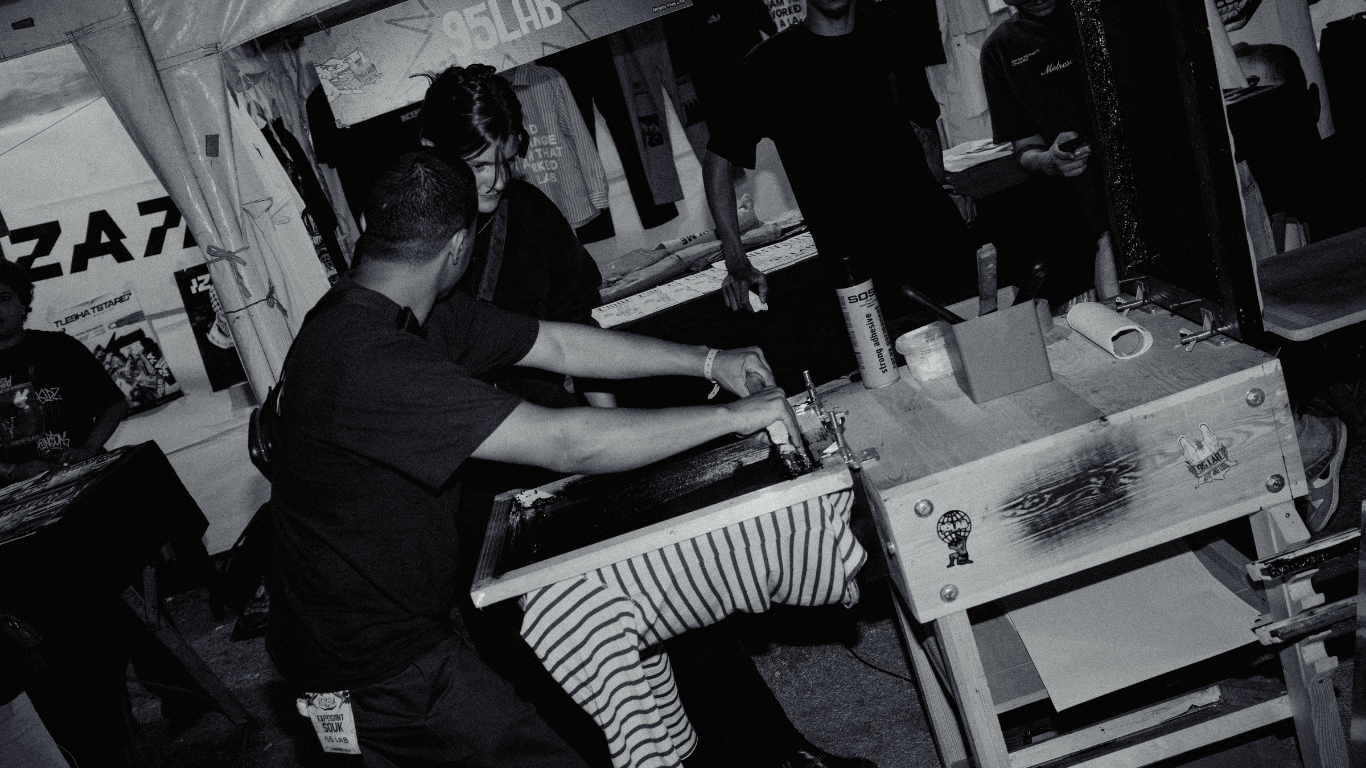
They’d already been running 95LAB for a while — a physical screen printing studio in Agadir operating on their own terms. Ahmed handled graphic design and visual creation. Boujemaa documented everything through photography. Between them, they had the aesthetic locked, the process defined, the output consistent.
But everything lived offline. No website. No way to sell beyond people physically coming to the studio. No archive system for all the work they’d been producing. No infrastructure to take drops beyond their immediate circle.
Most importantly: no way to prove to the outside world that what they were building in Agadir was as legitimate as anything happening in Casablanca or Marrakech. Geography matters in Morocco’s creative scene. The major cities get all the attention, all the funding, all the media coverage. If you’re creating in Agadir, you’re invisible by default.
They needed a platform that could translate their physical practice into digital presence without turning them into just another streetwear brand with a Shopify template. Something that felt like their studio — experimental, raw, process-forward — not a polished ecommerce machine optimized for conversion metrics.
We didn’t need to figure out who they were. They already knew. We just needed to build the technical backbone that let them operate at scale while staying true to the underground ethos they’d spent years developing.
02
Screen Printing as Cultural Resistance, Not Just Production
95LAB’s entire philosophy sits in opposition to how most Moroccan fashion production works.
Standard apparel manufacturing in Morocco means: factory production, volume runs, standardized quality control, hidden process, polished final product. Everything optimized for efficiency and consistency. The craft gets industrialized. The maker becomes invisible.
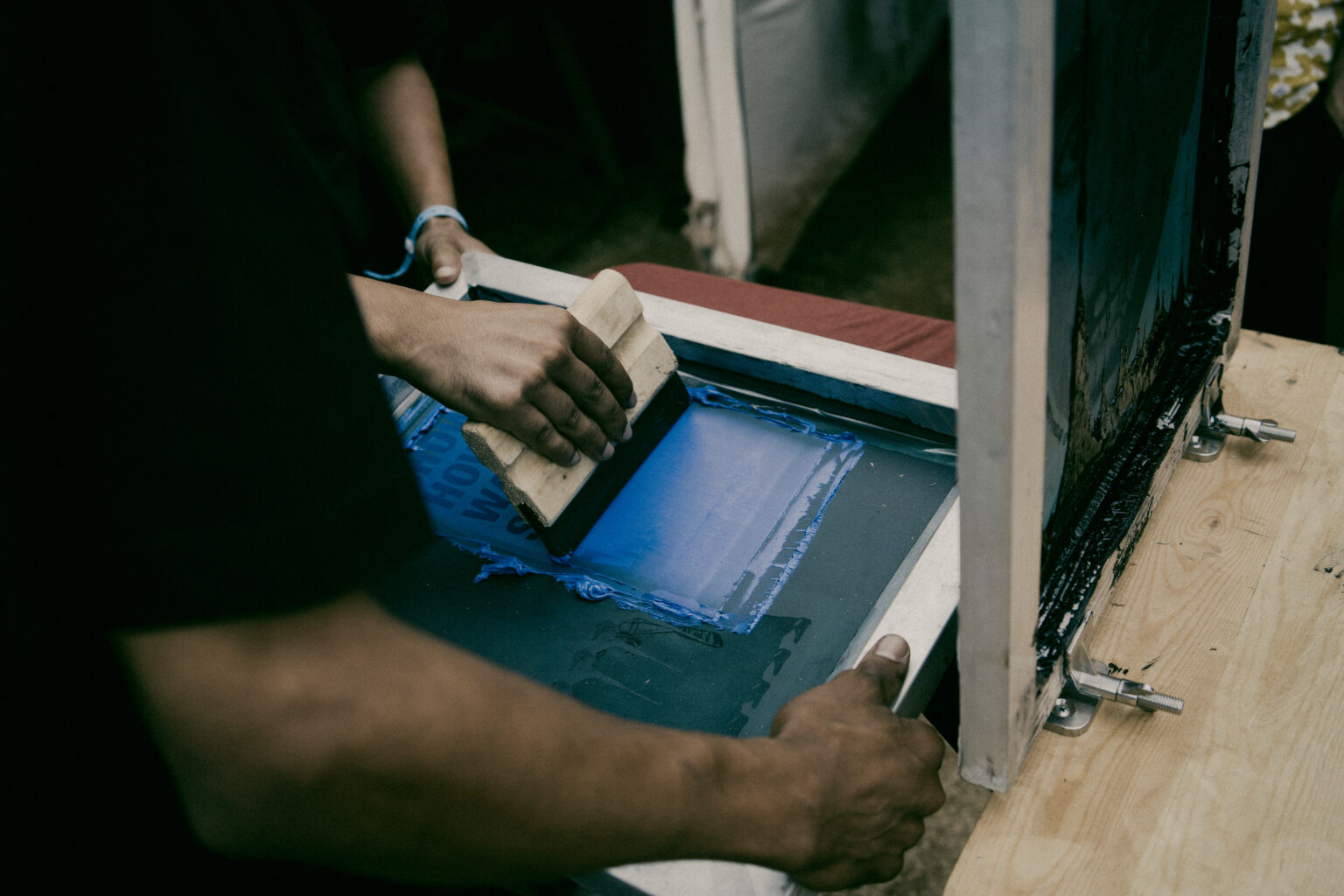
Ahmed and Boujemaa chose screen printing specifically because it rejects that entire model. Hand printing means visible imperfections. One-off pieces that can’t be exactly replicated. Textural variations that prove human involvement. Physical labor that shows in the final product.
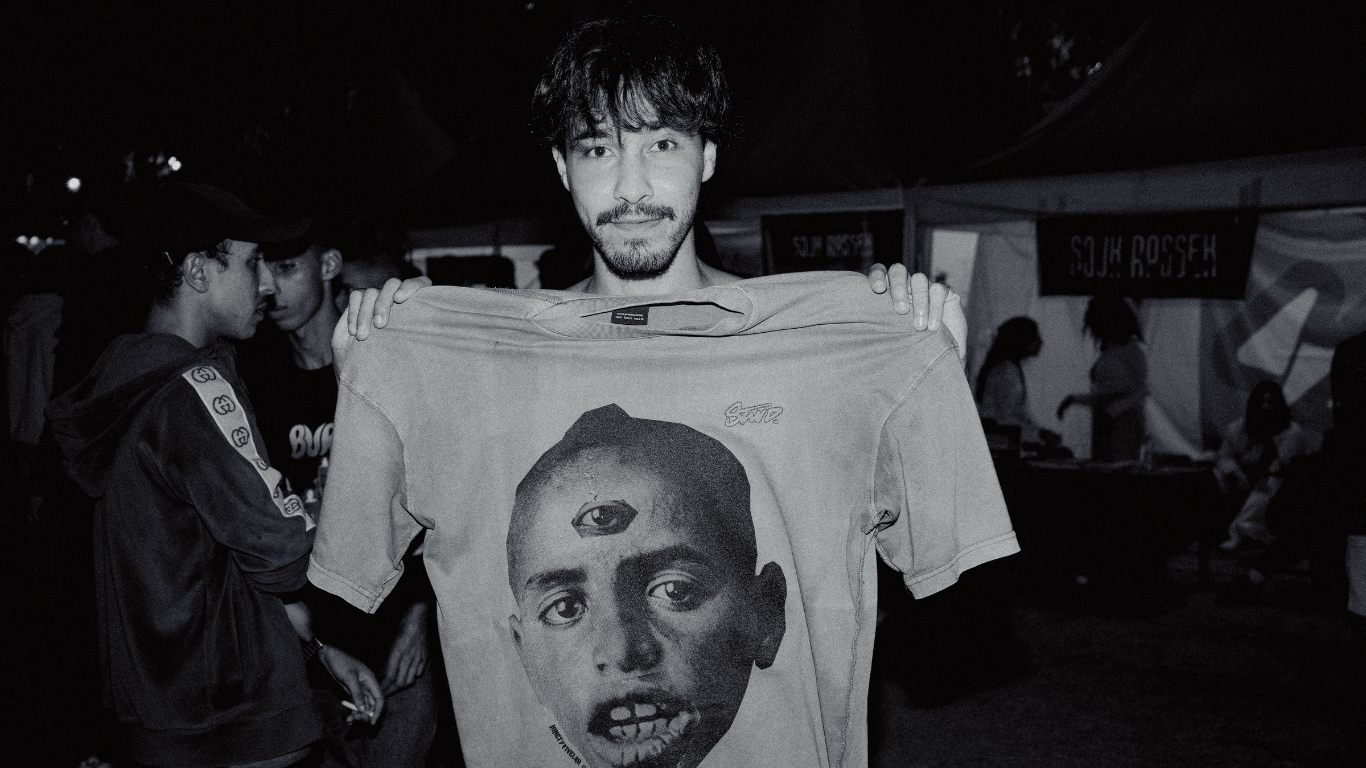
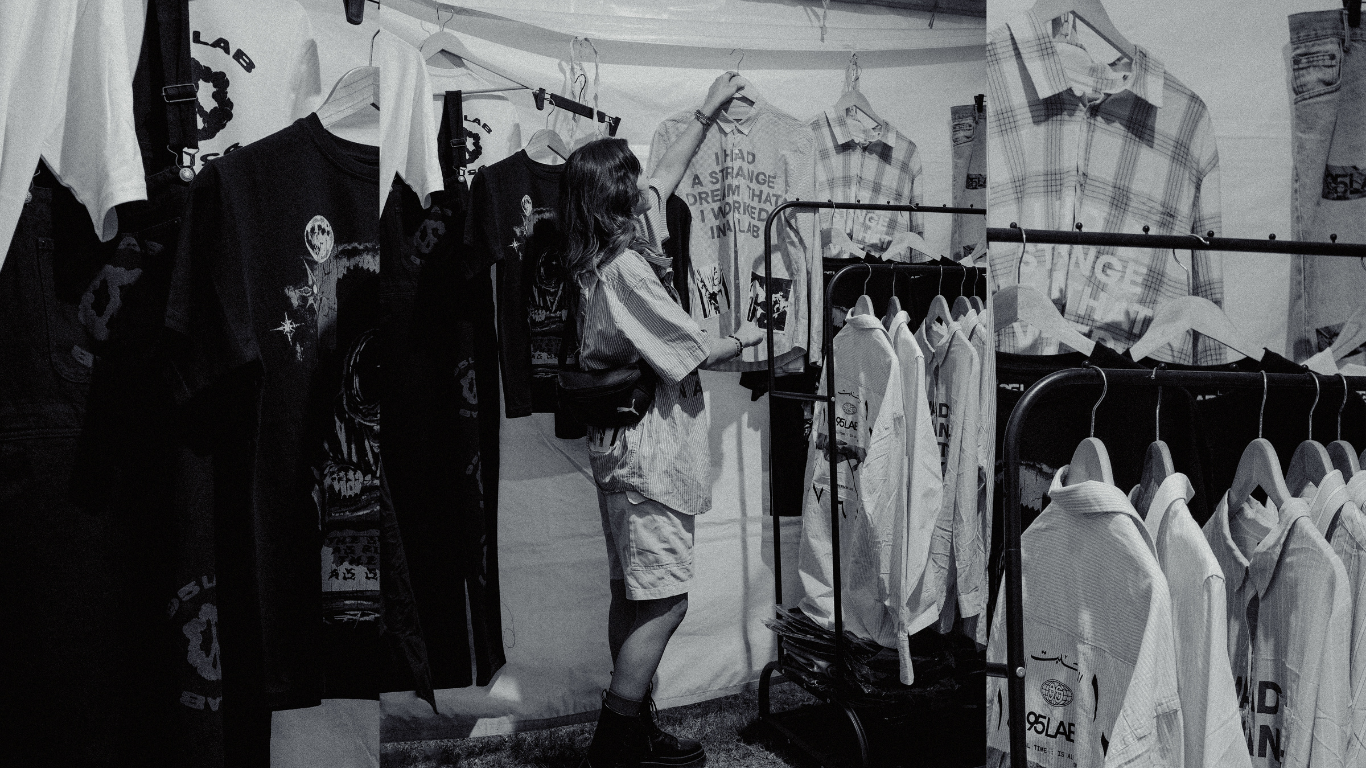
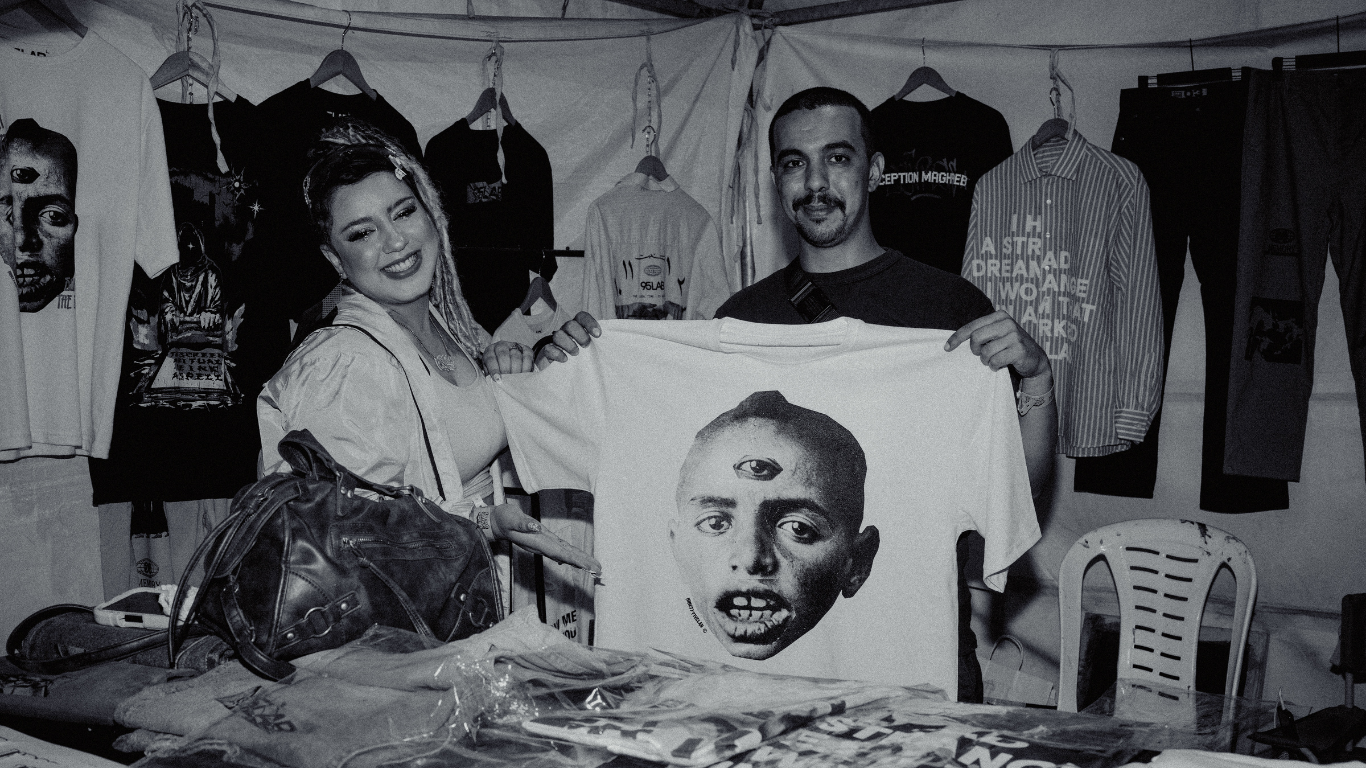
Their “Reimagined” series makes this explicit — they take thrifted garments, print them by hand in the Agadir studio, preserve every imperfection as proof of process, sell them as unique pieces. Each one documents a specific moment in the lab. You’re not buying a t-shirt. You’re buying evidence that someone made something with their hands.
This matters culturally because most Moroccan creative work tries to look international. Clean. Professional. Instagram-optimized. 95LAB does the opposite — they lean into local production, visible craft, regional identity. The studio aesthetic is concrete walls, hanging screens, ink stains, work tables. They shoot it all. They show it all. The mess becomes the message.
Boujemaa’s photography reinforces this constantly. He’s not shooting product photos for an ecommerce grid. He’s documenting creative labor. You see hands pulling prints. Screens being burned. Ink being mixed. Failed experiments left visible. The process gets equal weight to the finished piece — sometimes more.
They describe themselves as “a place for art, ideas, and people to meet.” Not a clothing brand. Not a print shop. A lab. That word choice is deliberate. Labs experiment. Labs fail. Labs document everything. Labs value process over perfection.
03
E-Commerce Architecture for Non-Commercial Sensibility
Building their platform meant solving contradictions that don’t normally coexist.
How do you create ecommerce infrastructure for people who fundamentally reject ecommerce thinking? How do you build inventory systems for one-of-one pieces? How do you optimize a shopping experience when the brand’s entire identity depends on feeling unoptimized?
Standard platforms assume standardization. Product photography follows consistent lighting and framing. Collection pages display uniform grids. Product descriptions follow SEO-optimized templates. Checkout flows eliminate friction. Everything pushes toward conversion.
But 95LAB’s products resist standardization by design. A hand-printed piece on a thrifted garment doesn’t have consistent sizing. A limited experimental drop might only have five units total. An archive piece might not be for sale at all — it’s just documentation of past work. Their photography is documentary, not commercial. Their descriptions read like artist statements, not product copy.
We built the backend to accommodate this fluidity. Inventory management that handles unique pieces as easily as restockable items. Collection structures that can present archives, active products, workshop announcements, and cultural documentation in the same space without forcing hierarchy. Content management flexible enough that Ahmed and Boujemaa can upload experimental work, decide later if it’s for sale, and change that status without breaking the site architecture.
The frontend needed to feel like walking through their physical studio. Minimal chrome. Maximum space for imagery. No aggressive CTAs. No pop-ups begging for emails. No fake urgency timers. Just clean presentation that lets the work speak without digital clutter screaming over it.
We deliberately avoided the visual language of fashion ecommerce — no slick carousels, no lifestyle aspiration photography, no polished brand messaging. Instead: raw documentation, process visibility, texture-forward design, concrete and negative space. Gallery logic, not retail logic.
The result functions as multiple things simultaneously: product catalog, creative archive, process documentation, workshop announcement system, cultural repository. Most ecommerce platforms force you to choose one primary function. We built theirs to hold all of them without any single one dominating.
Studio & lab for experimental screen printing. A place for art, ideas, and people to meet
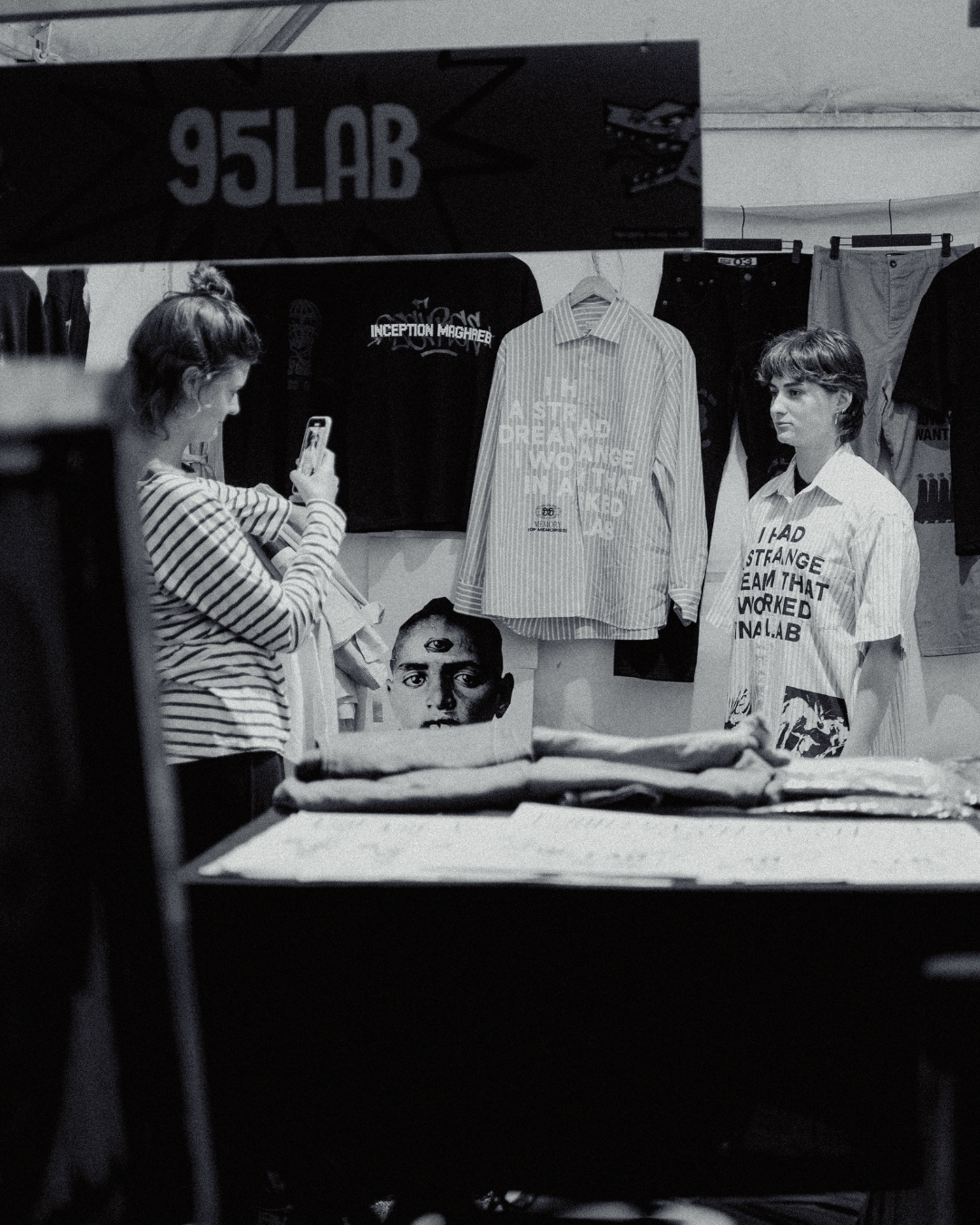
Studio & lab for experimental screen printing. A place for art, ideas, and people to meet
04
Participation Replaced Transaction
Launch didn’t follow typical brand rollout patterns. No hype campaign. No influencer seeding. No paid advertising push. The site went live. Work got uploaded. Word spread through Agadir’s creative community first, then outward.
Real momentum came when 95LAB started activating the physical studio for public participation. The L’Boulevard workshop was the inflection point — instead of selling finished products, they opened the lab and let people hand-print their own pieces. Strangers showed up. Took screens. Pulled prints. Left with something they’d made under Ahmed’s guidance.
That shift from consumption to participation proved the project was culturally legitimate, not just commercially viable. People weren’t buying into a brand. They were engaging with a practice.
The Nike collaboration during AFCON worked the same way. Not a typical sponsorship where they slap a logo on existing work. Nike brought them in to run screen printing workshops using their methods, their aesthetic, their ethos. That’s validation of a different order — a global brand recognizing that what they’d built in an Agadir studio had cultural value worth tapping into.
Their archive section on the site became unexpectedly important. Most brands hide old work or bury it in clearance. 95LAB treats their archive as core mythology — every past piece documented, preserved, presented as part of the lab’s ongoing story. Collections don’t just sell and disappear. They become part of a visual record that compounds over time.
The platform we built supports all of this without imposing commercial pressure. Ahmed and Boujemaa can post workshop announcements, upload experimental work, document process, sell limited drops, maintain archives — all through the same system, all without fighting against the infrastructure.
95LAB now operates as proof that underground creative practice in Morocco doesn’t need to move to Casablanca or compromise its identity to achieve legitimacy. You can stay in Agadir. You can prioritize process over polish. You can treat your audience as collaborators instead of customers. You just need the right technical foundation to make that approach sustainable.